
TELSTRA
Transforming Microsoft 365 Adoption at Telstra:
A UX Journey

Background: Telstra's Software Aspiration
Telstra approached Labs with a strong desire to develop innovative software. However, the organisation's complex structure hindered effective execution and innovation.
Problem
Telstra customers desired more than just basic broadband or mobile services.
Inclusions such as Netflix and Apple Music could create differentiation and customer loyalty.
Microsoft 365 was chosen as an inclusion, but its adoption was underwhelming.
My role
Examined the current user journey
Conducted research with MicroLand, facilitators of Microsoft 365 uptake
Executed competitive analysis
Developed a service blueprint
Collaborated in cross-functional sessions for new user experiences
Conducted six rounds of customer research and interviews
Analysed Net Promoter Scores (NPS)
Investigated Telstra Apps Marketplace (TAM)
Customer Journey Analysis: Identifying Pain Points
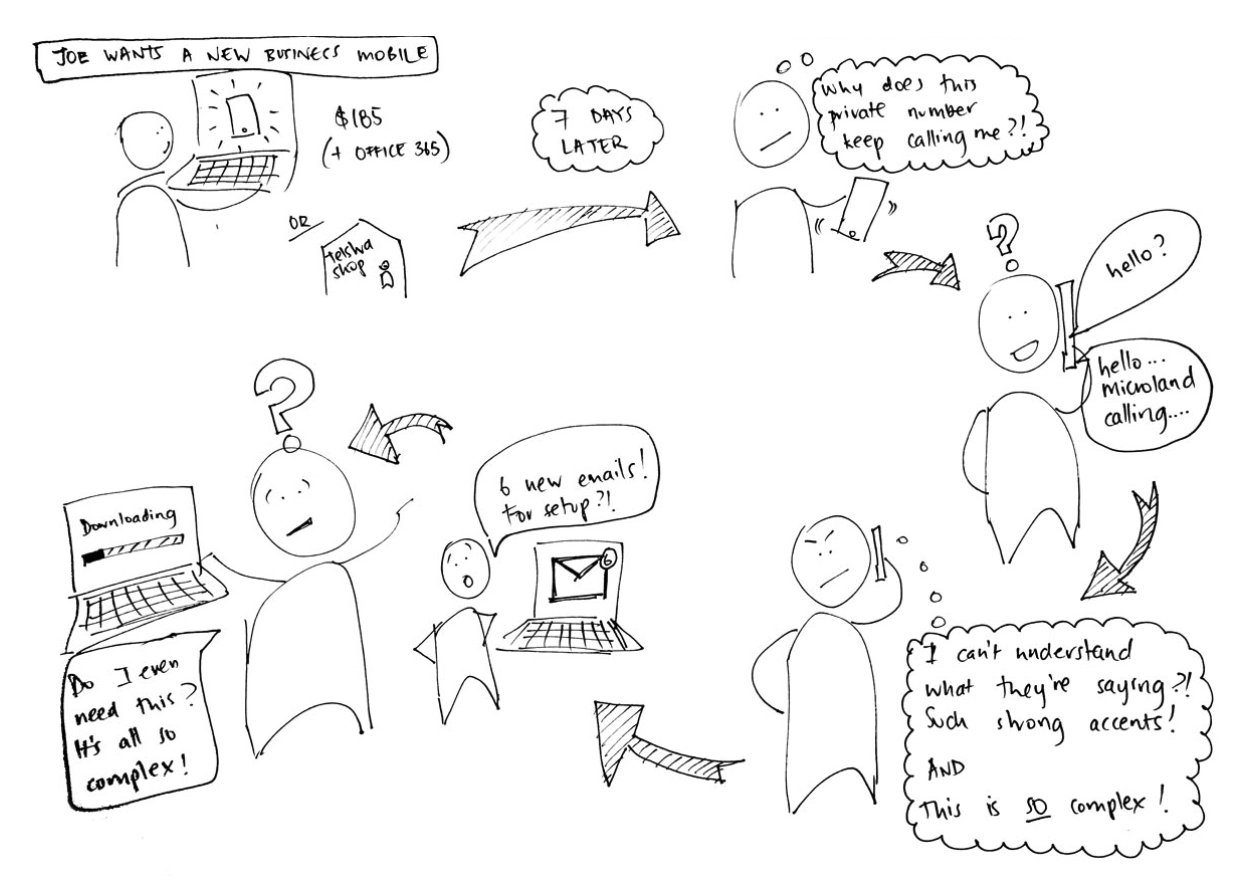
For SMB customers who signed up, there is confusion about private numbers calling them to help with set up as well as confusion due to the numerous (6x) emails sent to complete Office 365 set up.
Results of heuristic evaluation, data research and in-store interviews
Offer visibility below the fold on the website
Only 1% opting for online purchase
In-store agents not promoting bonus inclusions
Customers first learning about the offer through unsolicited SMS or cold calls - which created mistrust (they ask personal questions, that the customer assumed Telstra should already have)
SMS sent to inactive SIMs - 40% of customers are not aware of the offer
Poor experience on current landing page - no CTA etc.
Multiple confusing emails were sent
There were voucher code problems
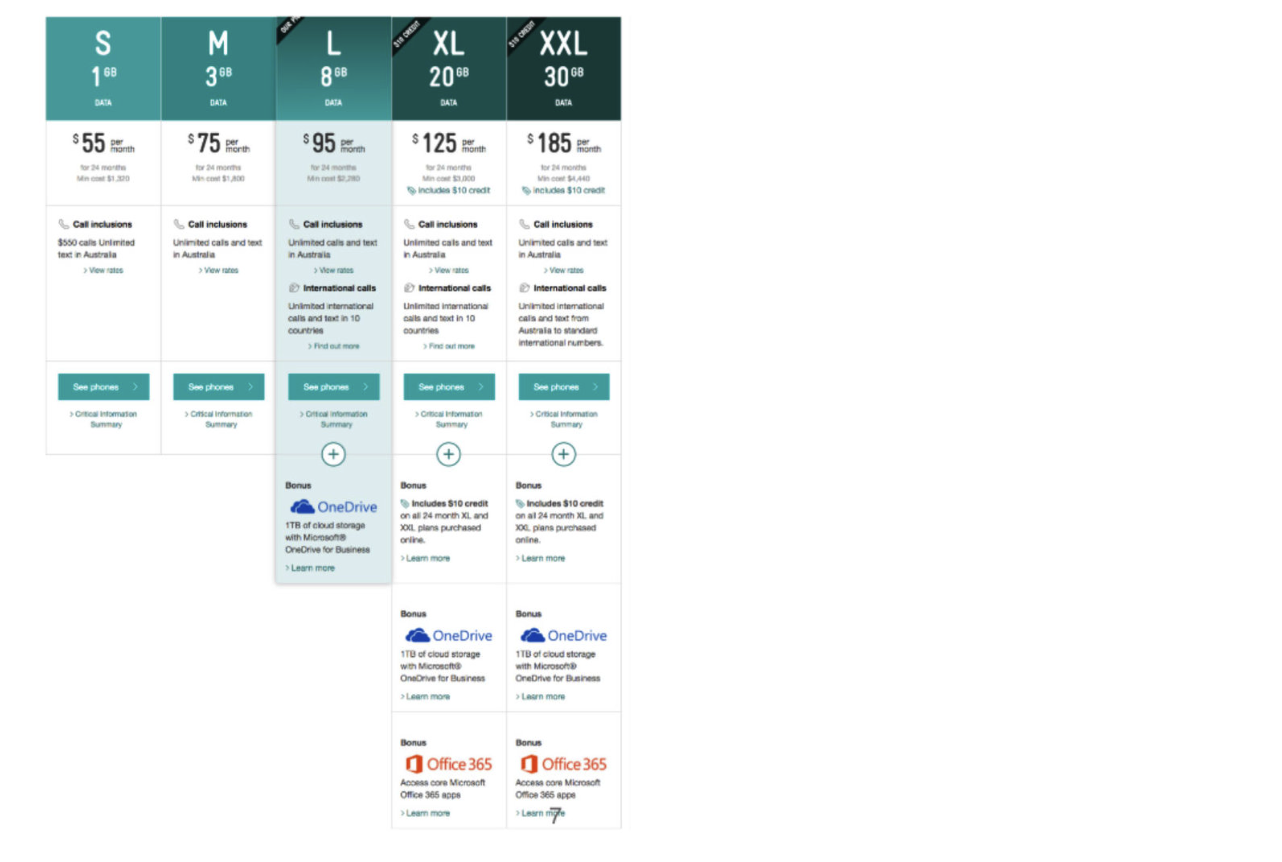
Offer shown here is below the fold
Learnings from speaking with Microland
(Telstra’s tech partner to onboard SMB customers to Office 365)
There was significant drop offs in potential SMB customers as the process to try to sign them up continued, which desperately needed to be fixed.
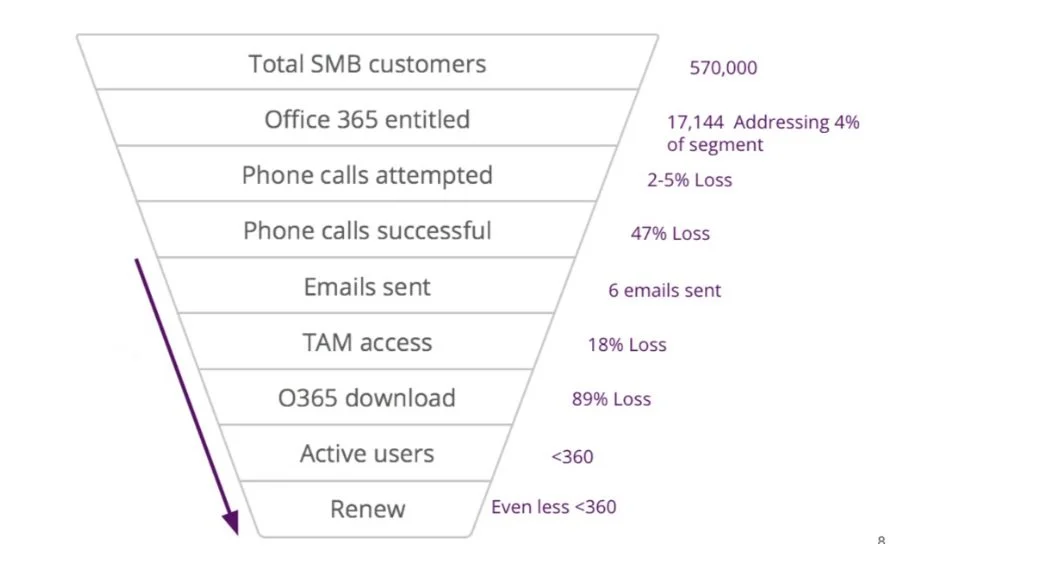
Microland's investigation revealed significant "leakages" for potential SMB customers
NPS Survey - overall customer dissatisfaction
“I then received about five emails saying I had joined when I had done nothing.”
“Installed apps that were not requested or wanted.”
“I did not order this product, it was shoved onto me and was even placed on my bill.”
“Useless thing they sold me.”
“Lied to me, didn’t listen.”
“Angry doesn’t even begin to describe how I felt.”
“The free cloud service is not something I wanted or will ever use.”
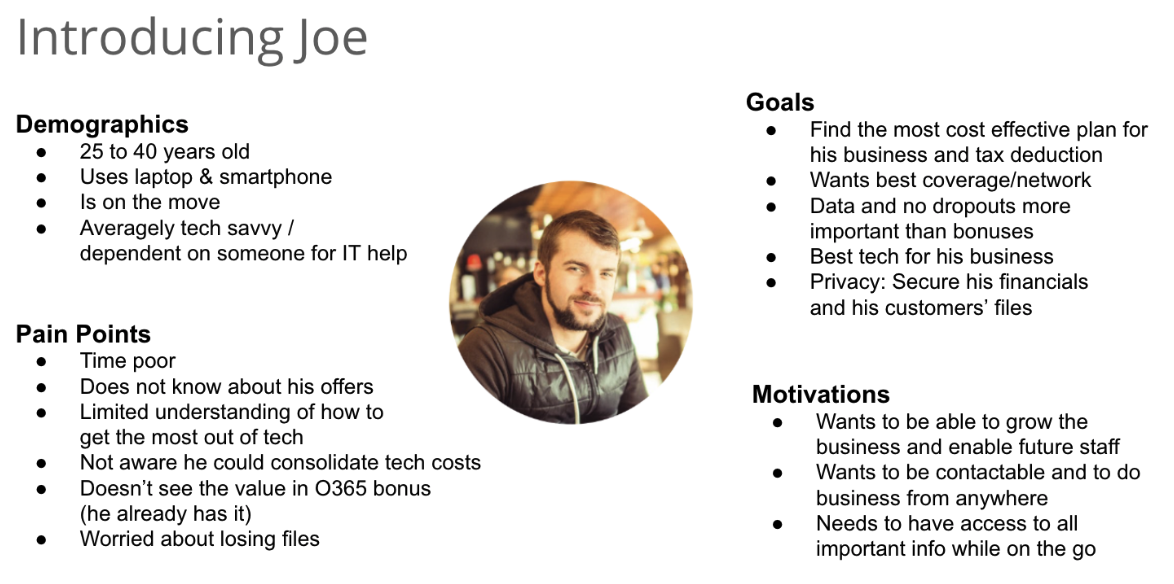
The One Place Persona - Joe
Joe doesn’t know about his offers with Telstra
He’s concerned with saving costs
He is already in possession of a non-subscription Mircrosoft Office (and doesn’t see value in O365)
Software purchase primarily associated with new computer acquisition
Lack of awareness about Telstra as a software provider
Desire for clear value proposition and simplified landing page
User Interviews
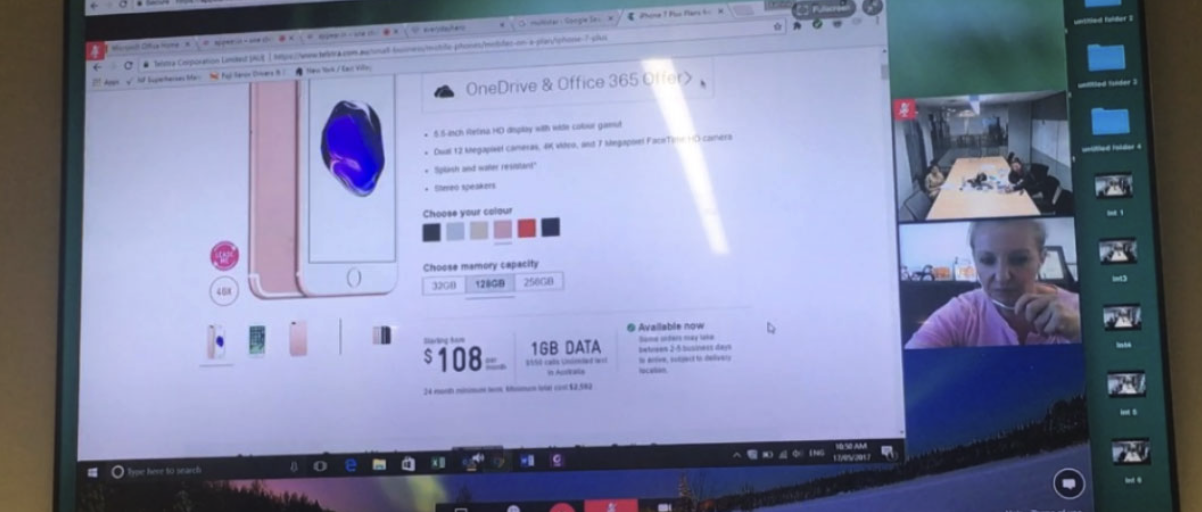
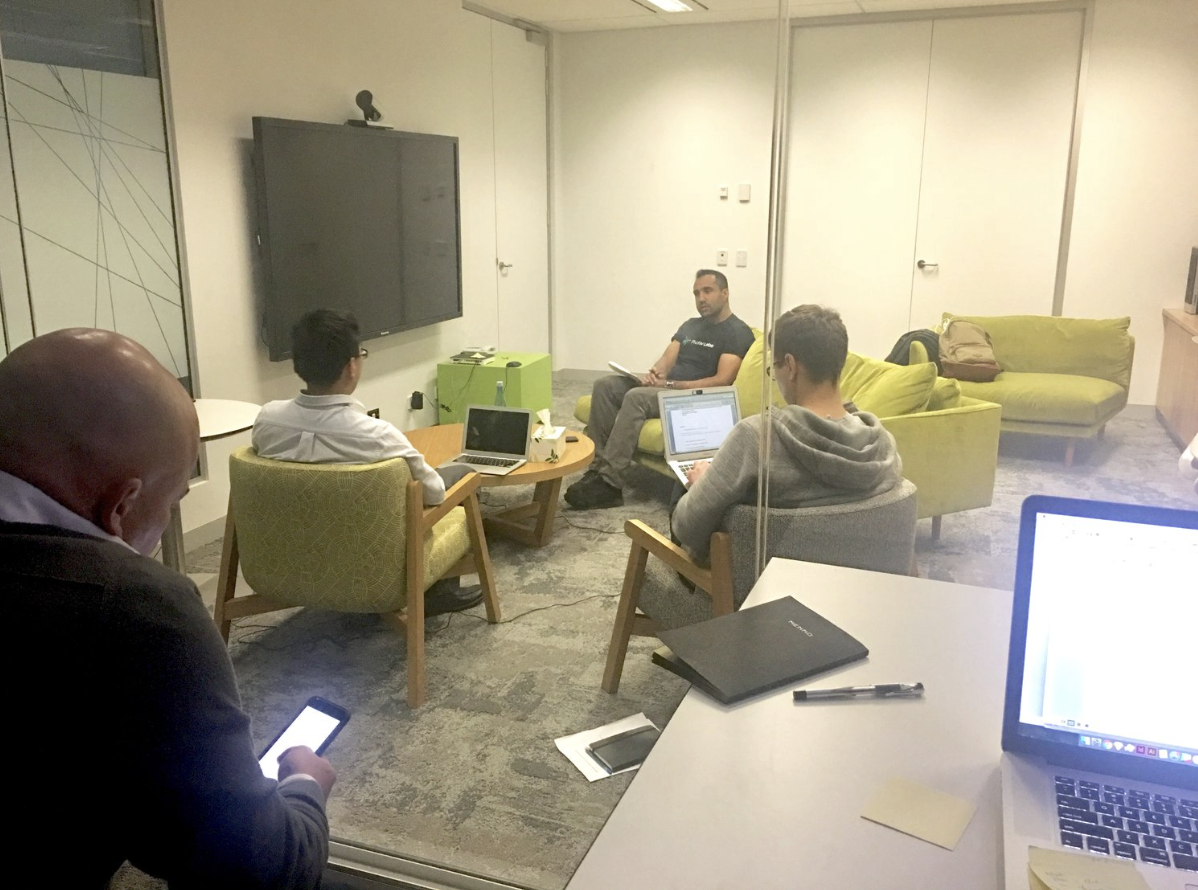
User interview at the Telstra labs; view from behind the 2-way mirror
Synthesis results
SMB Customers already have the non-subscription version of Microsoft Office
O365 is a complicated product that requires assistance
(they will call Telstra - something that Telstra wants to avoid)
Point of purchase for Office 365 is when they buy a new computer ie: Telstra is competing with JB Hi-Fi and Harvey Norman, who offer 365 at this point.
Not looking to buy software when buying a phone
Customers don’t understand O365 and the value-add
A landing page proved to be successful in explaining the offering
Iterative prototype testing continued
We showed customers various designs, notifying them of the deal (via text, email, landing page), which tested positively with customers.
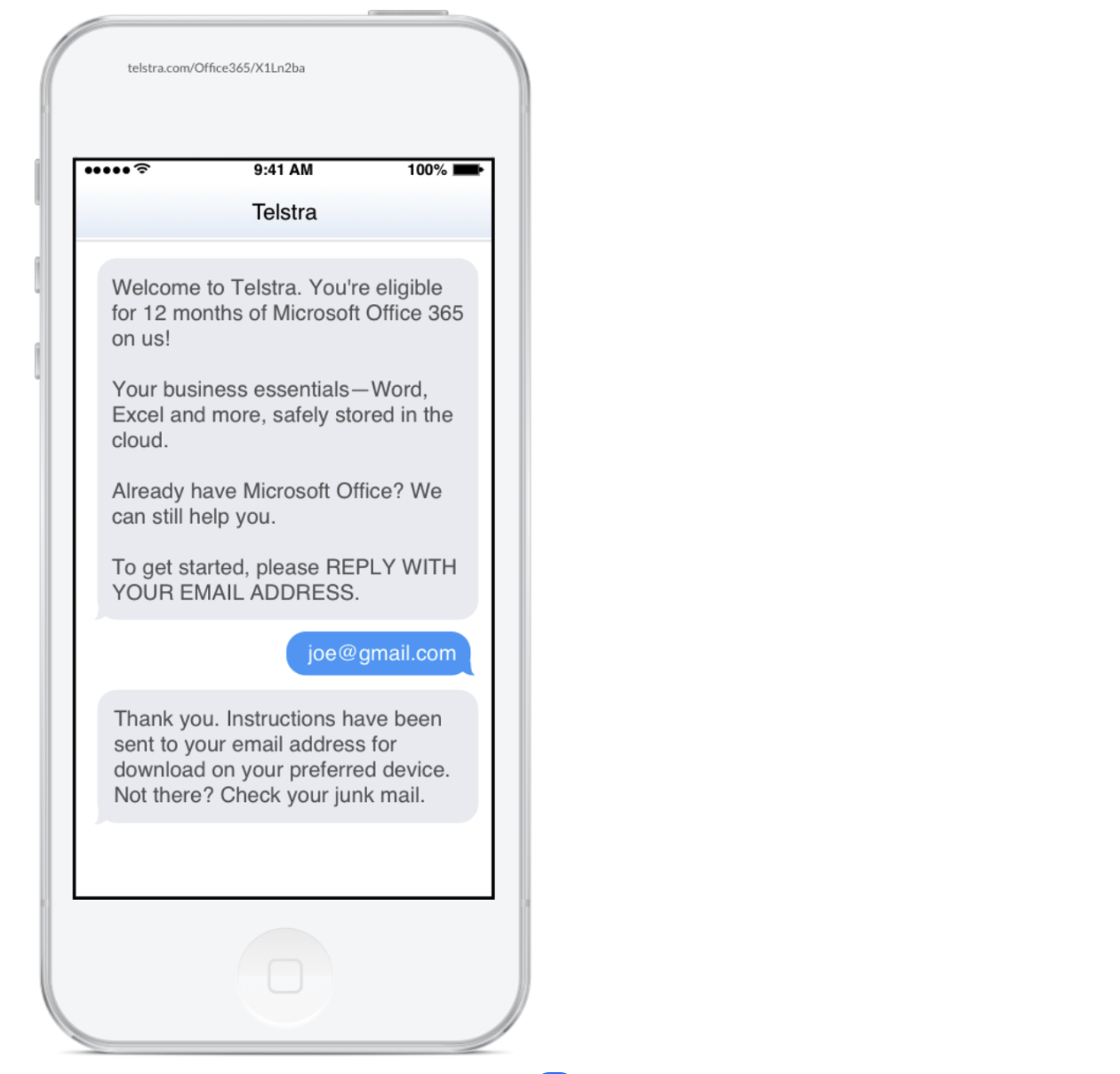
Text message to notify of the deal
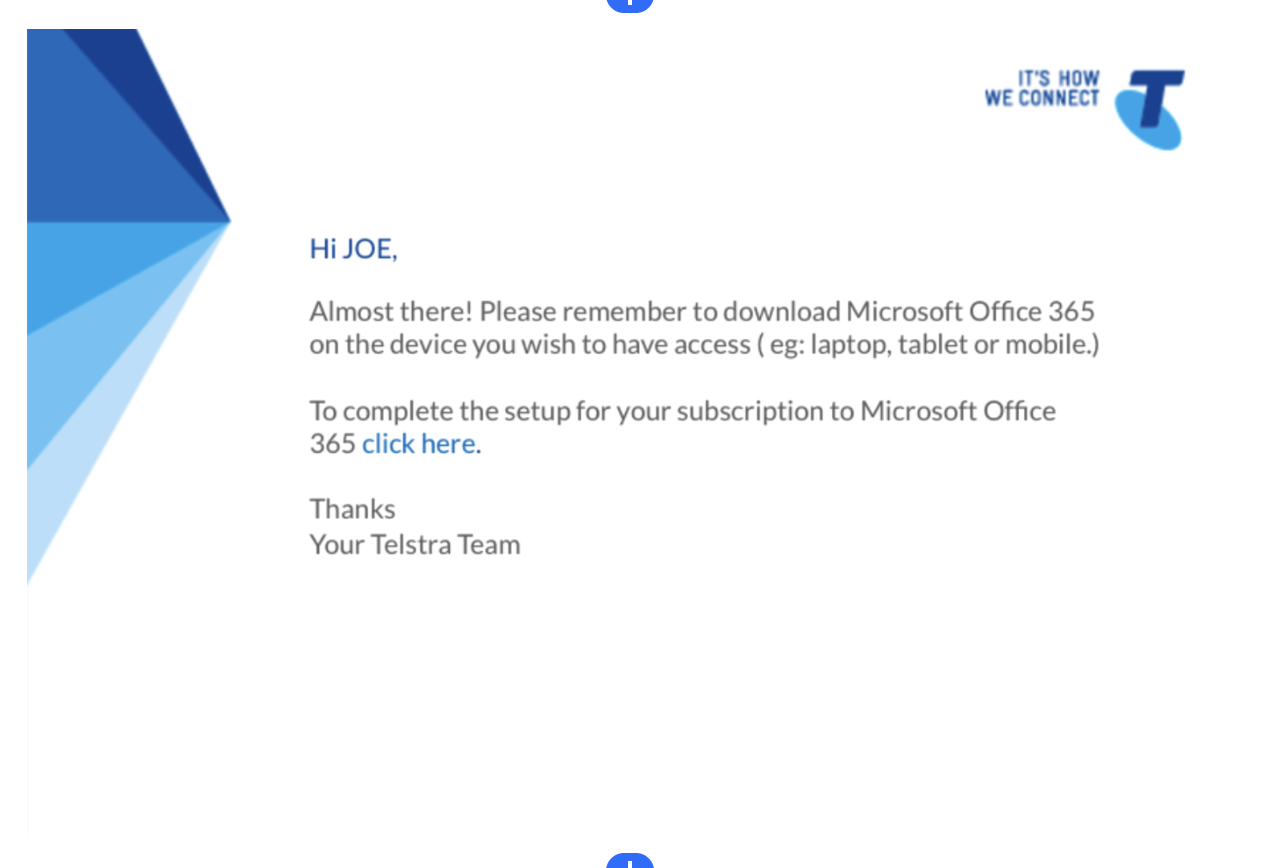
The email we tested to send to customers
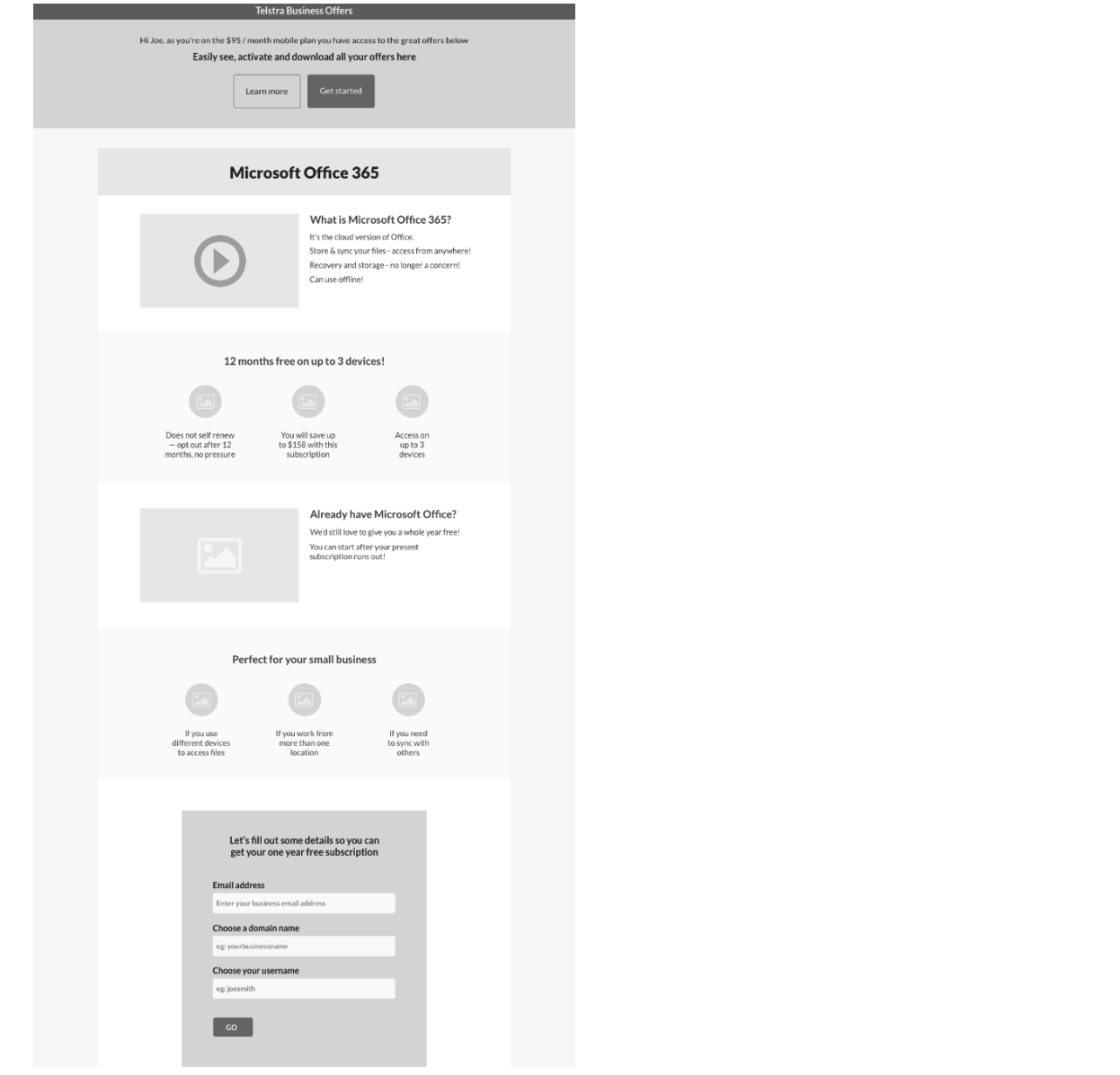
Landing page for SMB customers explaining the offer
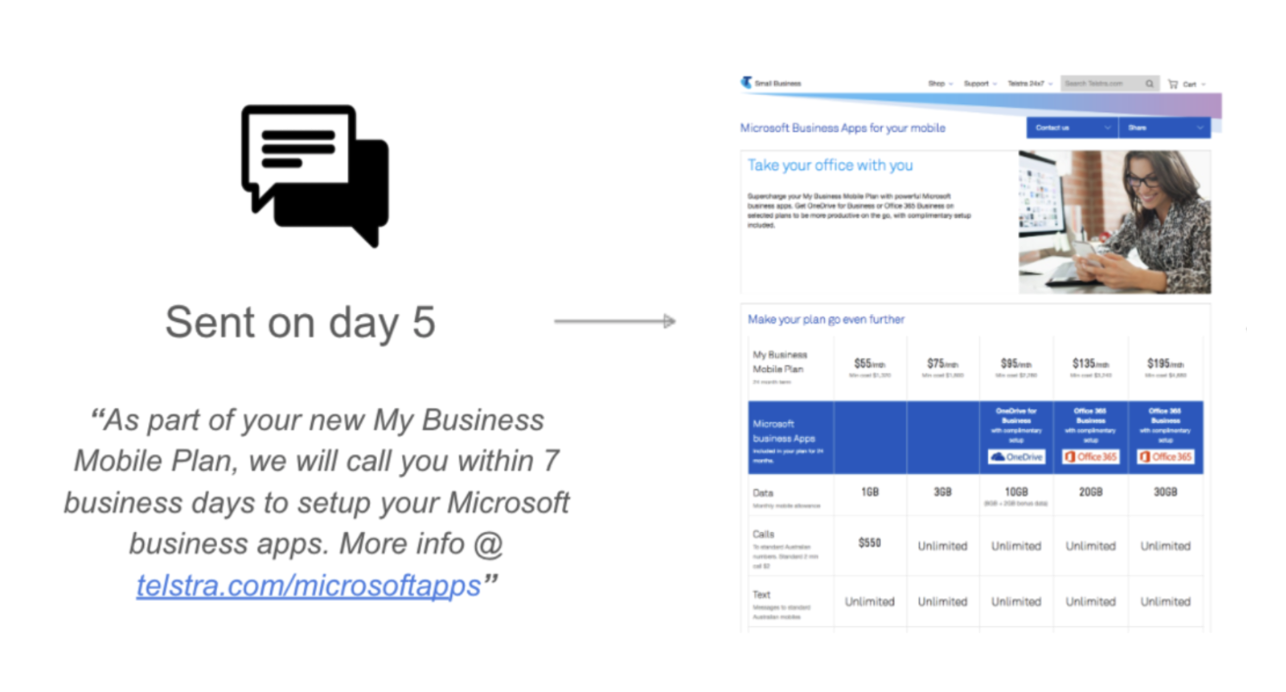
We implemented a text message to introduce the offer so customers didn’t receive a cold call, which resulted in an increased number of customer registrations.
Final solution
Telstra wanted a purely digital solution, however, there were numerous technical obstacles holding us back, as well as a strong customer need for ‘hand holding’ due to the complex nature of the sign up process. They also needed convincing of the value of the offer.
“If it ain’t broke don’t fix it” - challenging to convince customers to switch to O365 especially older demographic
A secondary solution was formulated and tested positively, in the form of a landing page and a call scheduler.
"I'm assuming they are going to help me understand how to sync files"
"I feel my time is respected"

The landing page
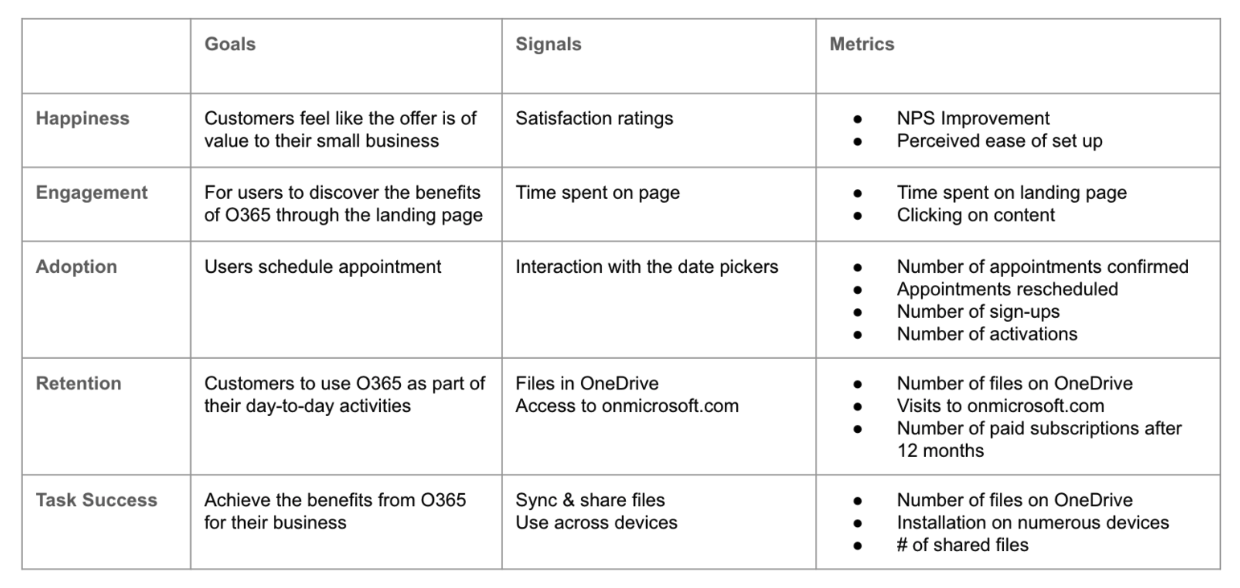
Proposed metrics for success
We recommended the ‘HEART’ metrics for success as per the below table.
Final Insights on the Solution
Customers will be much happier with the revised solution of a call scheduler, as can be seen through the results of testing.
The reality about Microsoft Office 365, however, was that it was not a strong need for Telstra SMB customers.
As such we advised that alternative inclusions would increase adoption and stickiness to a higher degree.
Final thought
The UX case study unveils the intricate challenges faced by Telstra in promoting Microsoft 365 adoption. Through detailed research, iterative design solutions, and a keen focus on enhancing customer understanding, the study showcases the evolution of strategies to boost adoption rates and elevate customer satisfaction.